 Banff City Guide
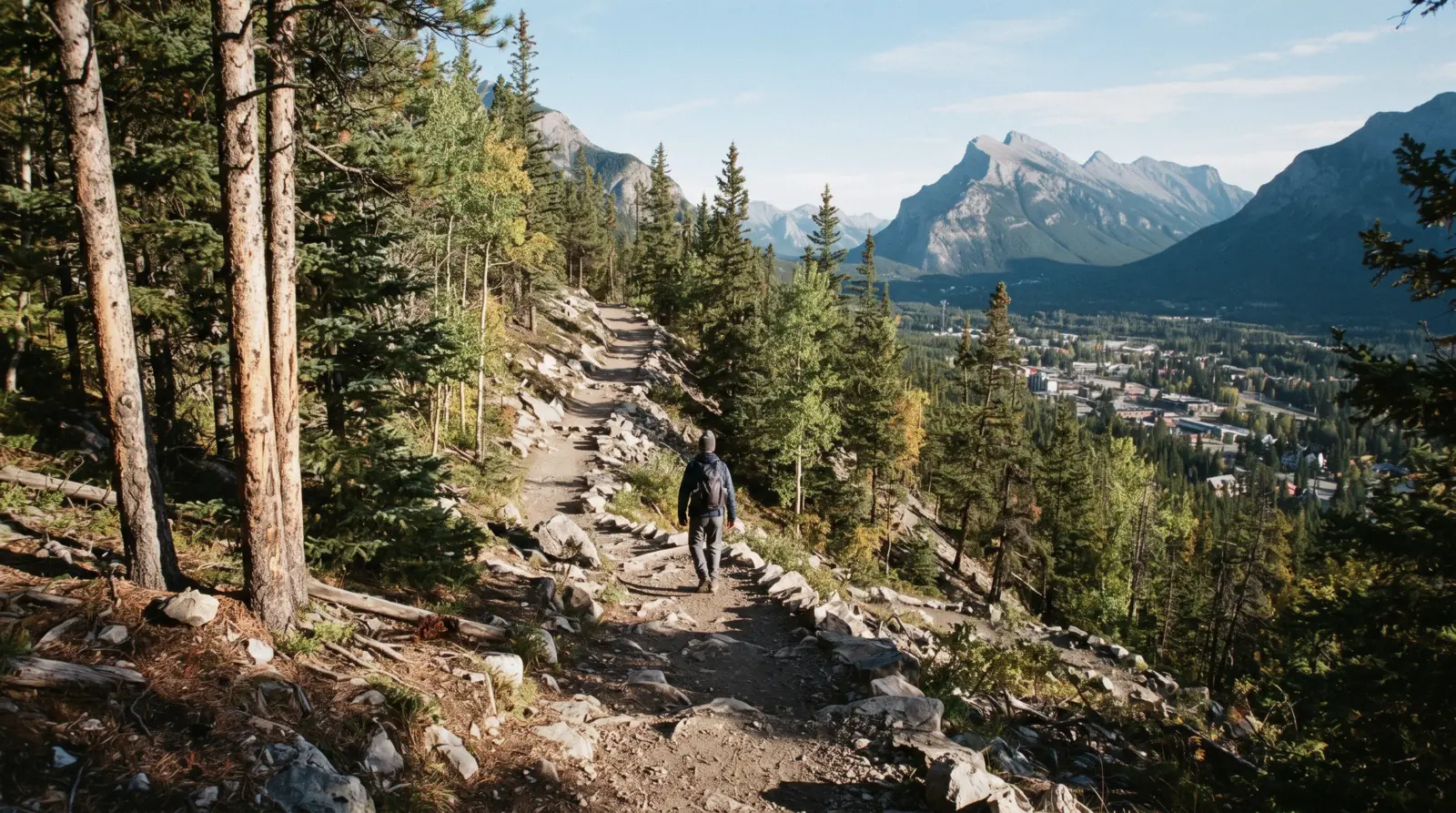
The Tunnel Mountain hike is the easiest real summit in Banff National Park, and it starts a few minutes from the town centre. This guide covers the trail, the odd name, the winter route and what you see from the top, alongside our Banff hiking coverage. For more walks that start from town, head back to the Banff City Guide portal.
Quick answer The short version of the Tunnel Mountain hike
Tunnel Mountain is about 4.3 km return with roughly 260 m of climbing, and it sits directly above the town of Banff. The trail climbs through forest on a long series of graded switchbacks and ends on an open summit with views over the Bow Valley, the townsite and the surrounding peaks. It costs nothing on foot and needs no reservation. Most walkers fit it into 1.5 to 2 hours, by our estimate, which makes it the classic first or last hike of a Banff trip. If you would rather ride to a summit than walk, the Banff Gondola Ride Admission takes you up Sulphur Mountain instead, but Tunnel Mountain remains the only summit you can reach from the town centre on your own two feet.
Key takeaways
- The Tunnel Mountain hike is about 4.3 km return with roughly 260 m of climbing, free to walk and open all year, and it is listed by Parks Canada on its official Banff hiking page.
- The name comes from a railway tunnel plan that was never built. No tunnel exists on or under the mountain.
- It is the easiest summit near town and a good fit for easy walks in Banff lists, though the 260 m of gain is a real workout.
- If you want a bigger summit day, our Sulphur Mountain page covers the longer climb and the gondola alternative.
Key facts
Opening hours
| Trail open year-round; icy in winter |
|---|
Planning it
- Time needed
- Our estimate: 1.5-2 hours return
- Book ahead
- Optional — walk-up usually fine
- Address
- Tunnel Mountain trailhead, St. Julian Road
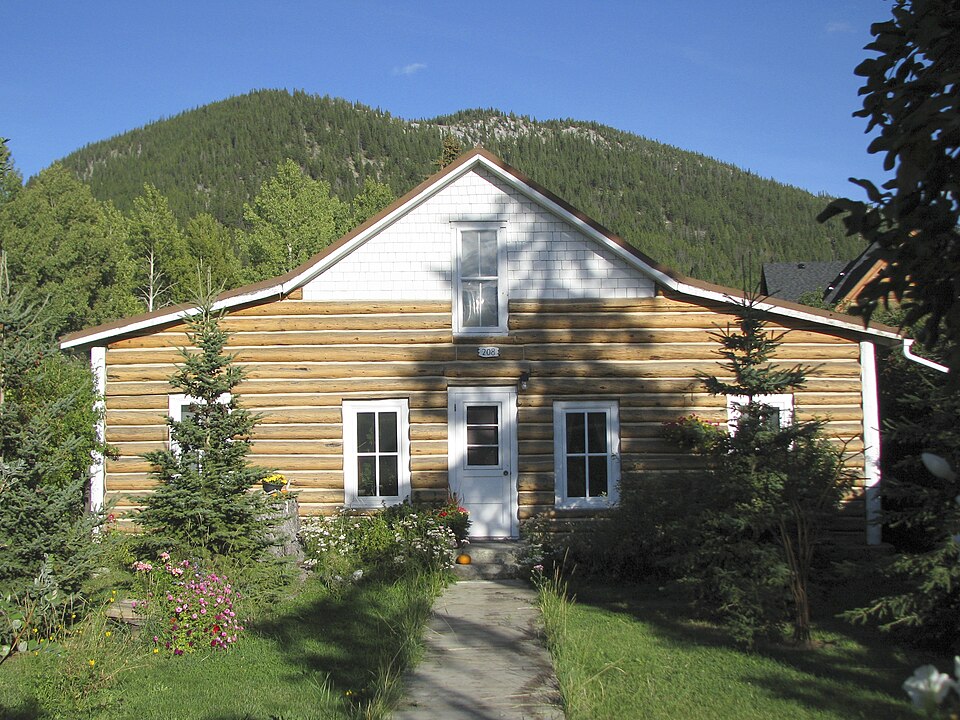
Photo: Odysseus1479, CC BY-SA 3.0, via Wikimedia Commons
What It Costs And How It Compares
Tunnel Mountain itself costs nothing: you walk it on foot and pay no trail fee. The table below compares the free walk against the two bookable summit options on this site.
Do you want the summit under your own boots for free, or would you pay to save your legs on a bigger mountain?
| Option | Price | Effort | Best for | Book |
|---|---|---|---|---|
| Tunnel Mountain on footAnyone with a couple of spare hours and working legs | Free trail. park entry $8.69 (C$12.25) adult day pass | 4.3 km return, about 260 m of climbing | Walkers who want a real summit without a car or a ticket | Official site |
| Banff Gondola Ride AdmissionFamilies and visitors short on time or knee budget | $68.04 | No walking required | Riders who want the Sulphur Mountain ridge boardwalk without the climb | Check Availability |
| Banff Gondola Admission TicketFlexible travellers comparing prices at checkout | Listed at checkout | No walking required | The same summit ride through a second booking platform when calendars are thin | Check Availability |
The only money involved is the Banff National Park entry pass that every visitor needs, plus the cost of the paid alternatives if you would rather ride a summit than climb one. Official figures come from Parks Canada. Tour prices are the platform listing prices, quoted in dollars as listed, and the gondola operator itself prints no static prices because its booking flow prices live. Trail figures come from Parks Canada. The gondola operator publishes no fixed gate prices, so its own pricing loads only in the booking flow. Tour prices are the platform listings. Figures current for in Q3 2026.
Tours That Pair Well With This Walk
The Tunnel Mountain hike needs no guide, but these bookable options from our listings sit naturally around it in a Banff day. Prices are the platform listing prices.
 from $26.20
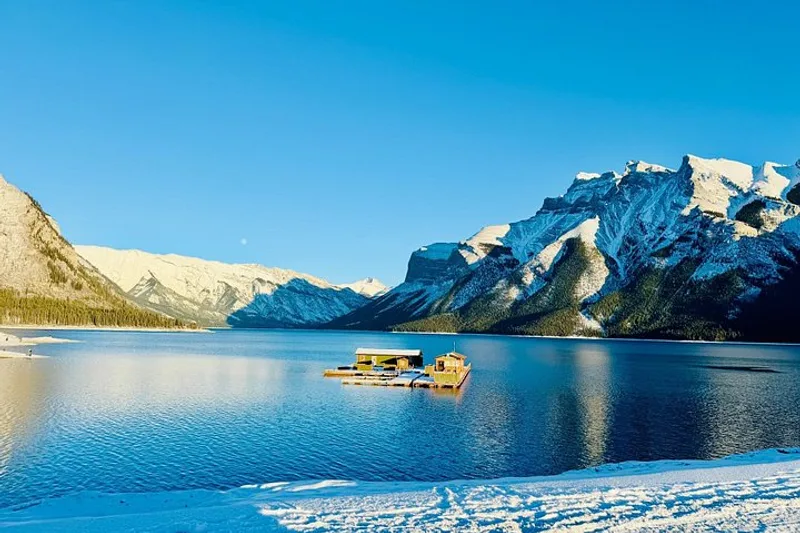
Best of Banff: Signature Express Tour
A short guided loop of the town's headline stops — falls, hotel viewpoints and lake shores — for a first afternoon.
Check Availability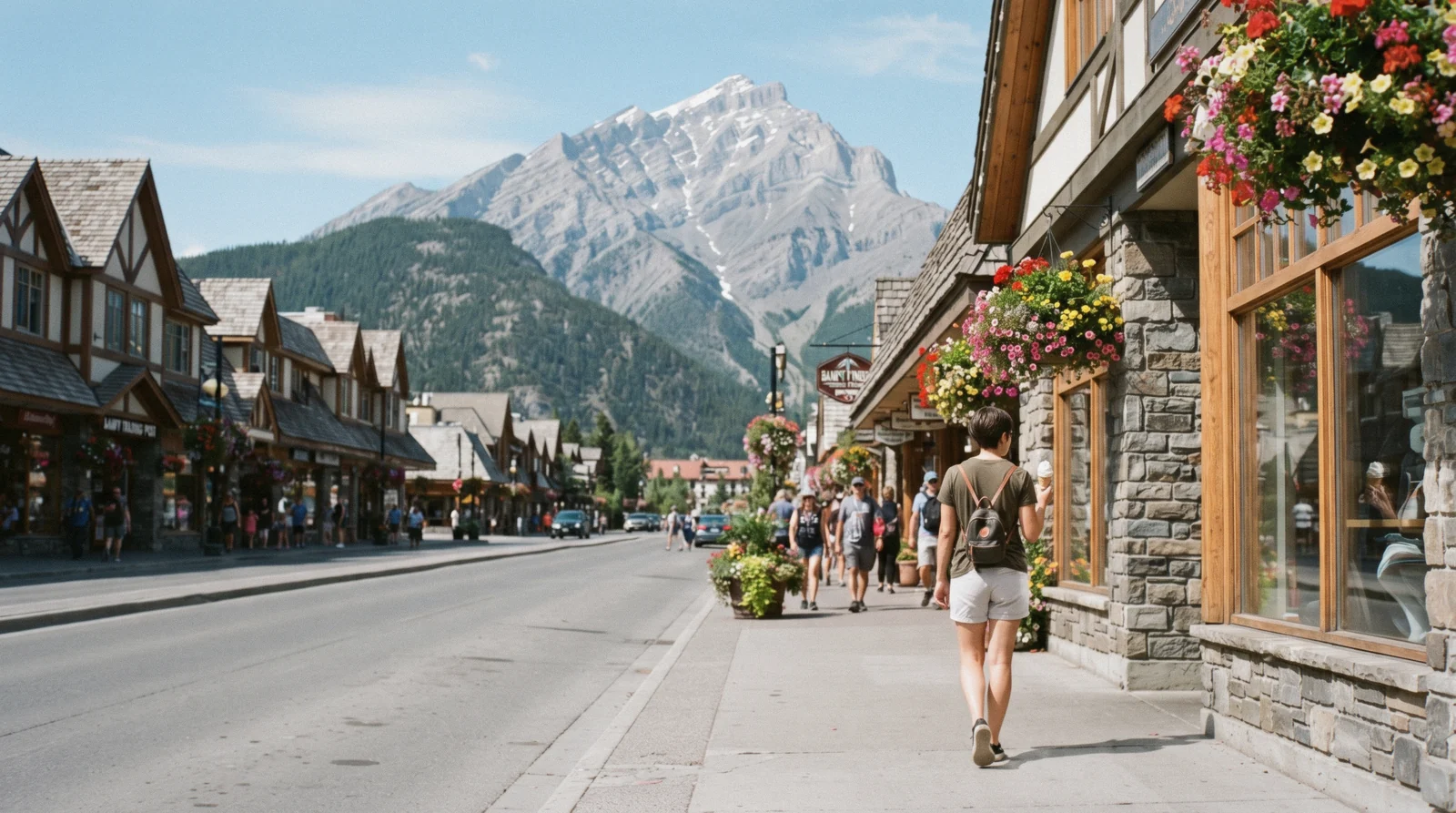 Listed at checkout
Banff Village Walking Tour
The town's own story on foot: the 1885 hot-spring discovery, the railway, parkitecture and the elk that commute down Banff Avenue.
Check Availability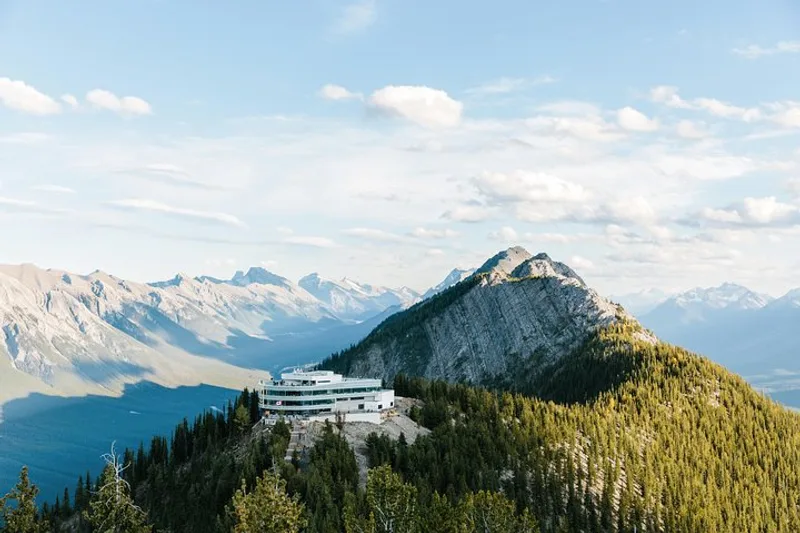 from $68.04
Banff Gondola Ride Admission
The ride up Sulphur Mountain to the ridge boardwalk, booked as a timed ticket; summit boardwalk and cosmic ray station included.
Check AvailabilityPrices, ratings and details are the platform's own. Dollar figures are the listed prices. The platform bills in your account's currency.
The Trail: 4.3 Km Of Graded Switchbacks
Tunnel Mountain is about 4.3 km return with roughly 260 m of climbing, per the Parks Canada trail listing. That gain is spread over a long, patient series of switchbacks, which is why the trail earns its reputation as the town's beginner summit. Nothing on it is technical. The work is steady and continuous from the first step to the last.
Where You Start
The trailhead sits on St. Julian Road on the northeast side of the townsite, close enough to walk to from downtown Banff. Our estimate is a short walk from the town centre, though no official figure is printed for that connection. Street and lot parking in town is paid at $12/hour downtown from May 1 to October 31 and $7/hour from November 1 to April 30, enforced 8 a.m. to 8 p.m.
Free nine-hour parking exists at the Train Station lot, on Bow Avenue and on the upper levels of the Bear Street Parkade. Given that the mountain is the destination, parking at the free Train Station lot and walking to the trailhead is a sensible our-pick start.
What The Climb Feels Like
The path wastes no time gaining height. You climb through forest from the first minutes, and the trail's character is defined by its switchbacks: wide, graded turns stacked one above the other, built to keep the grade manageable. This is the feature that makes the Tunnel Mountain hike the standard recommendation for first-time mountain walkers.
There is no exposure, no scrambling and no route-finding. You follow one obvious path the whole way. Interpretive signs along the route explain the mountain's natural and human history, so the climb doubles as a slow read of the park's story.
How Long To Allow
Parks Canada lists the trail on its official hiking page, and our estimate for the return walk is 1.5 to 2 hours at a relaxed pace with photo stops. Faster walkers will do it quicker. Slower walkers should simply allow the full two hours and enjoy the sequence of viewpoints that open through the trees as you rise.
Because the trail is short and close to town, it fits an early morning, a late afternoon or a gap between other plans, which is exactly why it appears on so many Banff walks itineraries.
Know Before You Go
The mountain sits inside Banff National Park, so a park pass applies to your visit even though the trail is free on foot. An adult day pass is $8.69 (C$12.25), a senior pass $7.63 (C$10.75), youth 17 and under are free, and a family or group pass is $17.39 (C$24.50). The day pass stays valid until 4 p.m. on the day after purchase, so one pass can cover several short walks.
Dogs are welcome on a leash, which is the law in the park. Carry bear spray year-round per Parks Canada advice, and keep at least 30 metres from elk and 100 metres from bears, wolves, cougars and coyotes, as the town's own wildlife rules state.
Trail distance, elevation gain and grading from Parks Canada.
The Summit: The Town From Above
The payoff for 260 metres of climbing is a genuine summit view of the Bow Valley, and the geometry is unusual: you look down on the town you started in.
What You Can See
From the top, the Bow Valley spreads out in both directions. The townsite sits below you with its grid of streets, the Banff Springs Hotel grounds and the Bow River curving past. Across the valley, Sulphur Mountain and its gondola line face you, and on clear days the peaks around it stack up to the horizon.
The viewpoint looks down on Banff at 1,383 metres, the highest town in Canada and the first municipality in the country incorporated inside a national park, in 1990. It is the rare summit where the human geography is as interesting as the mountains.
Reading The Valley
The summit makes a useful orientation exercise at the start of a trip. You can trace the road corridors out of town, spot the Minnewanka Loop to the northeast and the Sulphur Mountain district to the south, and understand why the townsite's boundaries are fixed by federal law at 3.93 square kilometres. Many walkers use the Tunnel Mountain hike early in a stay as a map-reading exercise, then head out to the bigger sights afterwards.
Our view is that this is its best use: a short climb that teaches you the whole valley.
Timing Your Summit
The open summit makes it a sunrise and sunset spot, and because the trailhead is in town, an early start costs very little effort. Morning is also the quiet window. Later in the day the trail is one of the busier short hikes in the park, since it appears on nearly every list of accessible Banff activities.
In the elk rut, which runs from late August until mid-October, elk can appear around the town edges, so give any elk at least 30 metres and never get between a bull and the females. If you are knocked down by an elk, the town's advice is blunt: get up and move to cover, do not play dead.
Town and park context from the Town of Banff and Parks Canada.
The Name And The Tunnel That Was Never Built
Tunnel Mountain is the only major summit in Banff named after infrastructure that does not exist. The story is short and worth knowing before you climb it.
A Tunnel Plan That Was Never Built
The mountain got its name from a railway tunnel plan that was never built. Surveyors of the Canadian Pacific Railway considered boring a tunnel through the mountain to ease the gradient for the transcontinental line. The plan was abandoned in favour of routing the line around the mountain, and no tunnel was ever excavated.
The name stuck anyway. Walkers sometimes arrive expecting to see a tunnel mouth and find none, because there never was one. The story has become part of the trail's interpretive material and a small local joke.
A Mountain Inside The Story Of The Park
The railway context matters. Banff National Park was established in 1885, Canada's first national park, born from the same railway era that surveyed and then skipped this mountain. The town grew up in the mountain's shadow, and today its fixed federal boundaries mean the summit will always sit immediately above the townsite.
Walking the Tunnel Mountain hike is, in a small way, walking through the decisions that created the park: the railway needed the valley, the hot springs below Sulphur Mountain made it famous, and this hill watched both happen.
Naming history per the brief's verified facts. No tunnel was ever built.
Winter Walking And The Morning Run
Tunnel Mountain does not close for winter. It appears on the Parks Canada official list of easy winter walking trails near Banff, at 2.4 km in that listing, and it doubles as the town's favourite exercise hill.
The Winter Route
Parks Canada lists Tunnel Mountain on its Banff-area winter walking list as a 2.4 km trail, and it is one of the short, self-guided options the park promotes for the cold months. Expect snow and ice on the switchbacks. Traction devices such as ice cleats are the standard local answer, the same advice Parks Canada gives strongly for icier walks like Johnston Canyon.
January in town runs cold, with ERA5 climate normals showing a mean high of minus 6.2 and a low of minus 13.9, so dress for the climb to be a warm-up and the summit to be exposed and windy. Avalanche season in the mountains runs from November to June, but this is a low, forested town hill on a marked trail, not avalanche terrain. Once Tunnel Mountain shows how much of the valley a short winter climb can reveal, the rest of the trip can come from other things to do in Banff, or from Banff day tours that take care of the planning for you.
The Local Morning Habit
Locals use the trail the way city dwellers use stairs: a before-work or before-breakfast fitness climb repeated year-round. The practical takeaway for visitors is that the trail is in good condition and well used at almost every hour, which makes it one of the safer early-morning outings in the park. Dawn brings the quiet window and often the best light on the valley.
If you are staying in town, the arithmetic is simple: wake early, walk from your door, summit and be back for breakfast. No shuttle, no parking fee, no ticket.
Pairing It With The Rest Of The Park
After the walk, the rest of the valley waits. The gondola up Sulphur Mountain is the lazy summit, and a ride is bookable through Banff Gondola Ride Admission, with the operator noting a short maintenance closure each November. For a longer hiking day, our Sulphur Mountain guide covers the full trail and the summit boardwalk.
And if you are planning a whole trip around the park's trails, start from our hiking in Banff hub, which ranks the options by effort.
Winter trail listing from Parks Canada winter walking.
Map: Tunnel Mountain And The Valley Around It
The map centres on the trailhead area and pins the summit plus the main sights you can see or reach from it. Coordinates come from our verified data.
- 1 Banff Visitor CentreThe official information desk at 224 Banff Avenue, open daily roughly 9:00-17:00 with a second centre at Samson Mall in Lake Louise village. Roam tickets, park passes, shuttle bookings and current trail conditions are all handled here, and staff actually answer condition questions honestly. Phone +1 403-762-8421.
- 2 Surprise CornerThe viewpoint at the end of Cave Avenue where the castle hotel and the Bow River bend appear together in one frame, and where most of Banff's oldest postcards were shot. It doubles as the lower trailhead for the Sulphur Mountain path. Best in the first hour of light on the hotel's face.
- 3 Town of BanffThe townsite itself: about 8,000 people on a walkable grid at 1,383 m, inside Canada's first national park since 1885. Every street ends at a mountain, elk graze the fairways at dawn, and the whole thing is a 15-minute drive from the park gates. Base everything here, because it is the reference point for every drive time in this guide.
- 4 Banff GondolaThe eight-minute ride up a 1.6 km track to the 2,281 m summit of Sulphur Mountain, then a two-kilometer boardwalk with 368 shallow stairs each way out to Sanson's Peak and the old cosmic ray station. Tickets are live-priced in the operator's booking flow and dated slots sell out at peak, so reserve ahead. Base parking is C$17.50 ($12.42), and Roam route 1 stops at the door and the ride ticket rides the bus free.
- 5 Sulphur Mountain summitThe same ridge on foot: 5.5 km of graded switchbacks climbing about 700 m from Mountain Avenue, our estimate two and a half to three and a half hours return. A weather observatory worked here from 1903 and the cosmic ray station still stands at the boardwalk's end. Free, open year-round, icy enough in winter that cleats are advised.
- 6 Bow FallsA wide, loud curtain of water where the Bow narrows below the Banff Springs hotel, a 15-minute walk from the town bridge. Not tall but broad, and at its most dramatic during June snowmelt. Free, open at all hours, with the hotel's grounds above and the river trail below making an easy loop.
- 7 Cave and BasinThe cave of hot springs whose protection in 1885 created Canada's national park idea, at 311 Cave Avenue. Admission is C$10 ($7.10) with youth free. Summer hours run 9:30-17:00 daily from May 15 to October 15, off-season Thursday to Monday 11:00-17:00. A boardwalk crosses the marsh below where the endangered Banff hot springs snail ended all swimming, permanently.
- 8 Banff Upper Hot SpringsCanada's highest operating hot pool at the top of Mountain Avenue, four kilometres south of town. Entry is C$19.75 ($14.02) with the locker token included, senior and youth C$17.25 ($12.24), family C$64.25 ($45.60). Open 10:00-22:00 daily with last entry at 21:30, including Christmas Day. First-come first-served, so the wave to avoid is 16:00-19:00.
- 9 Fairmont Banff SpringsThe castle that launched mountain tourism in 1888, at 405 Spray Avenue above Bow Falls. Non-guests are welcome to walk the public rooms, shop arcade and terraced grounds, and the river-level trail from town arrives through Surprise Corner. Self-parking runs C$39 ($27.70) with overflow at C$59 ($41.90), and afternoon tea is booked ahead.
- 10 Vermilion LakesThree shallow wetland lakes in the Bow's old channel, ten minutes' drive northwest of town on Vermilion Lakes Road. Mount Rundle's reflection at sunset is the shot everyone comes for, canoes launch in summer and the first-lake boardwalk works year-round, misty and quiet in winter. No swimming, no gate, no fee.
- 11 Lake MinnewankaBanff's biggest lake, twenty minutes by road from town, dammed twice so deeply that a whole resort village lies submerged below the surface. The one-hour cruise is the only motor boat allowed on the water. The free shoreline day-use area has the picnics, the dock and the start of the Lakeshore trail. On winter days when the ice is officially declared safe, it becomes the town's skating rink.
- 12 Two Jack LakeThe smaller, calmer lake beside Minnewanka, five minutes further up the same road. Still mornings give the postcard reflection of Mount Inglismaldie, picnic tables fill by mid-morning in July, and the lakeside beach is the town's standard dark-sky stargazing stop. It stacks with Minnewanka into one easy afternoon or one long evening.
- 13 Johnston Canyon trailheadSteel catwalks bolted to a limestone gorge: the Lower Falls at 1.1 km, the taller Upper Falls at 2.4 km one way, the Ink Pots meadows at 5.5 km. Entry is free and the trail runs year-round, icy enough in winter that cleats are recommended. The lot fills by mid-morning in summer, so arrive before 9:00 or take the shuttle, 25 minutes from town on the 1A.
- 14 CanmoreThe real town just outside the park gates, twenty minutes east of Banff, where locals live and rooms cost less. A working centre with its own restaurants, the Grassi Lakes trail, and the Bow River float launching from town. It trades park-gate convenience for value, and the trade is often worth it outside peak season.
Numbers match the pins on the map.
Nearby After Your Walk
Three places that pair naturally with the Tunnel Mountain hike, all close to the townsite. Distances are our estimates unless a source states them.
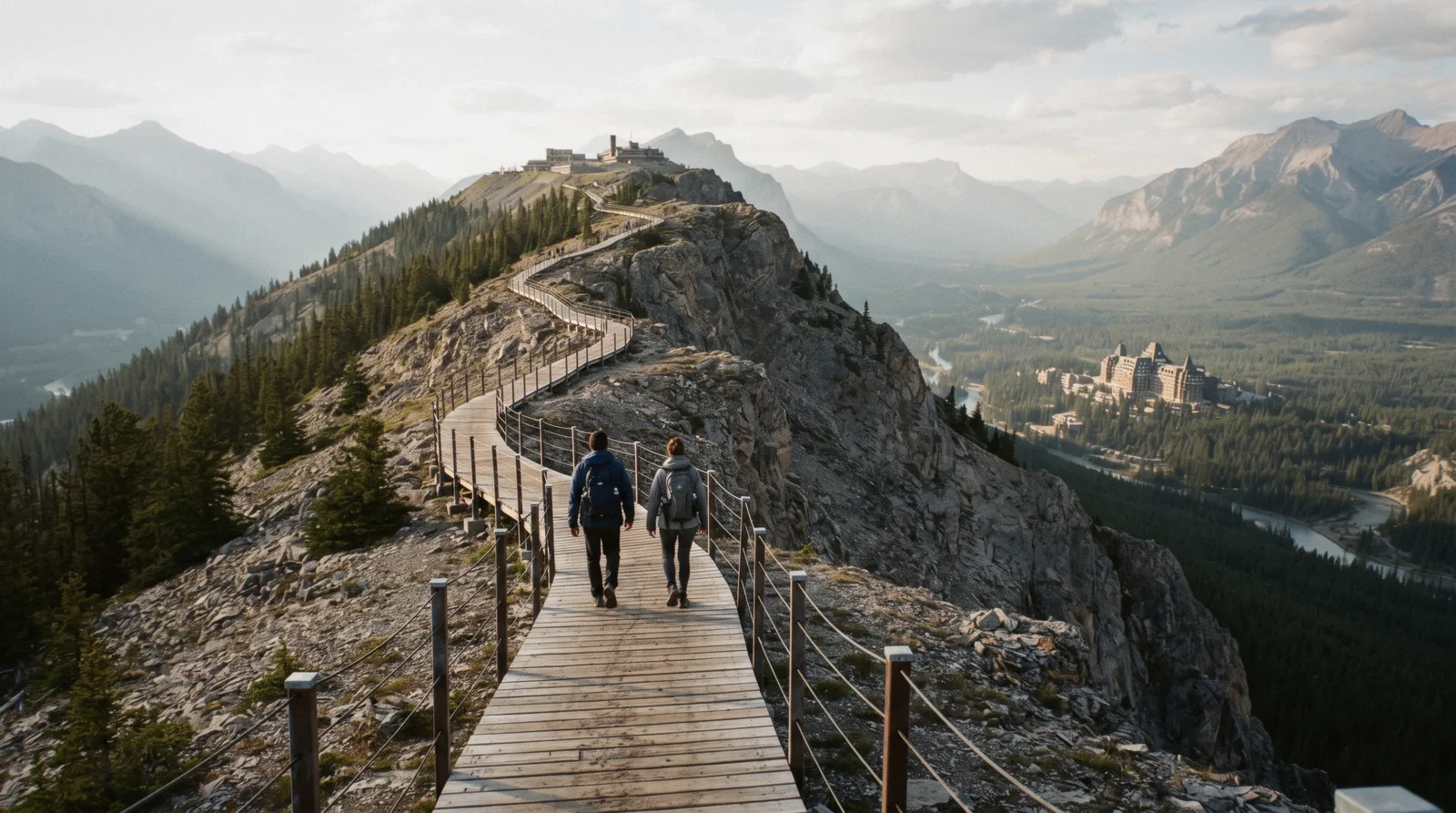
Sulphur Mountain
The bigger summit across the valley. Hike it under your own power or ride the gondola, and walk the ridge boardwalk to Sanson's Peak. Our guide covers both options and the 368 stairs each way on the boardwalk.
our estimate: a short drive or bus ride south of town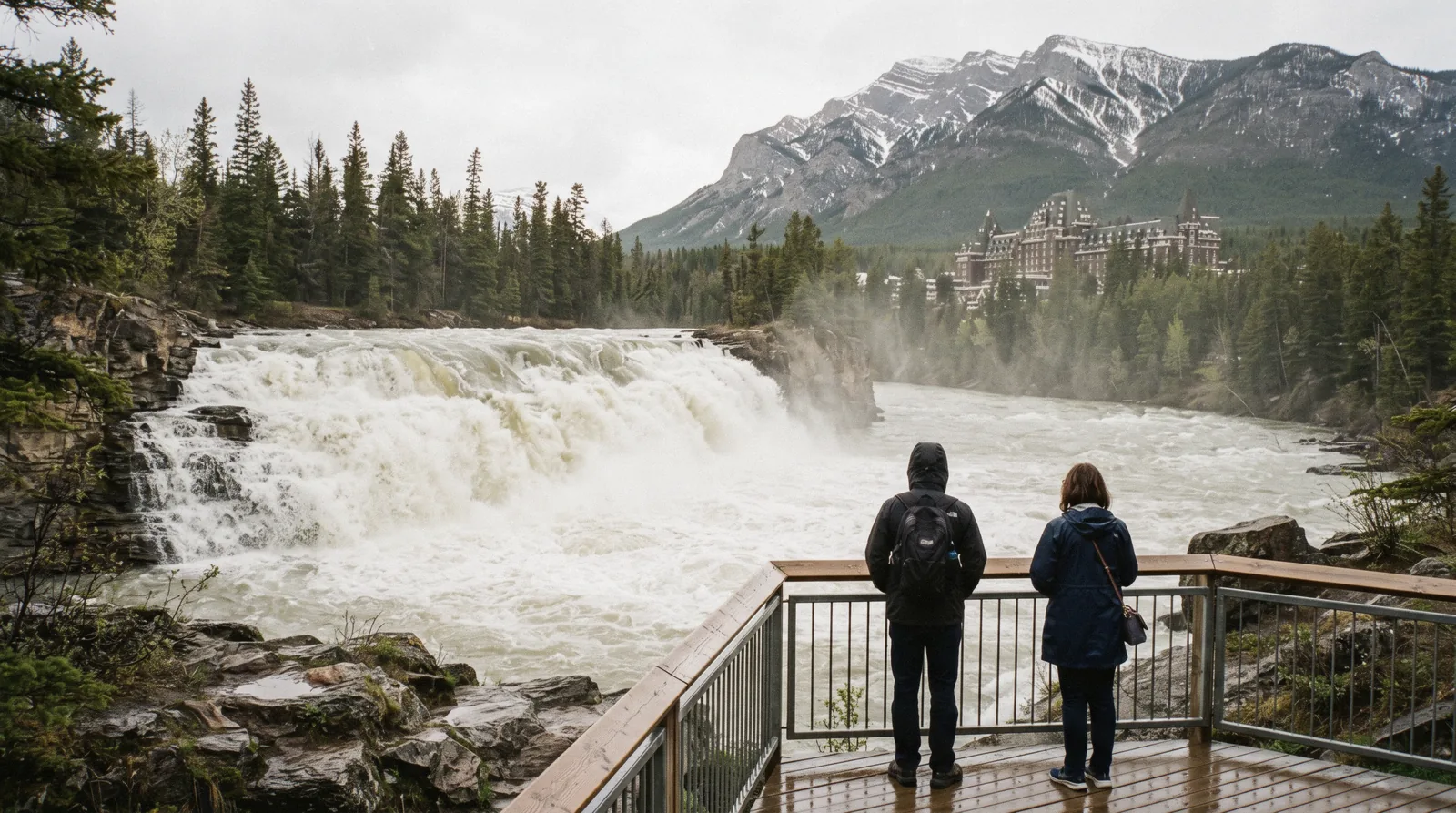
Bow Falls
A wide drop on the Bow River below the Banff Springs grounds. An easy way to add water to a mountain day without another climb.
our estimate: a short walk or drive from the trailhead side of town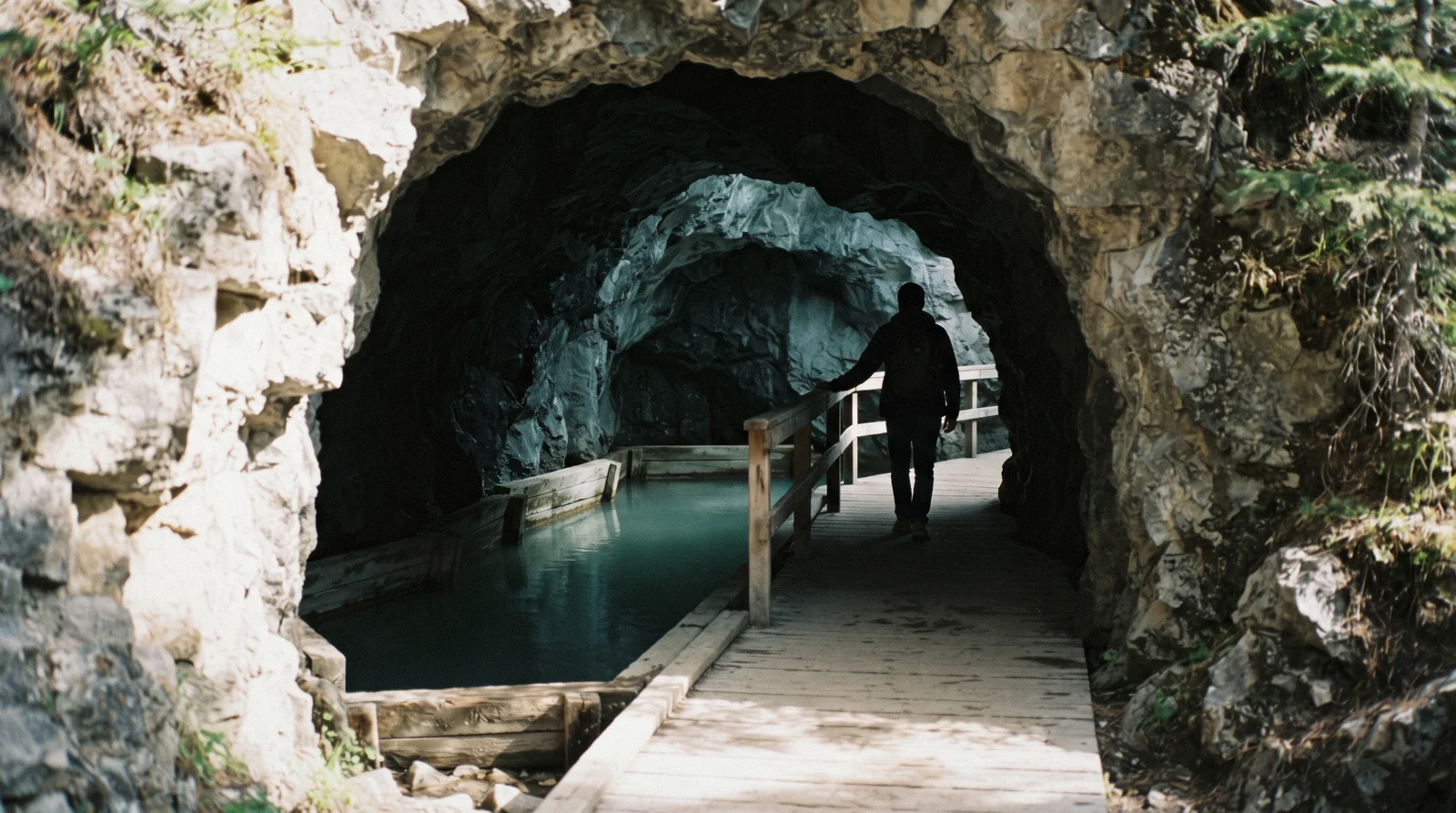
Cave and Basin National Historic Site
The hot-spring cave that triggered the park's creation in 1885. Admission is $7.10 (C$10) for adults, and it is the indoor sequel to the mountain's railway story.
our estimate: minutes from town by car or the Cave and Basin routeTunnel Mountain Questions
How long is the Tunnel Mountain hike?
It is about 4.3 km return with roughly 260 metres of climbing, per the Parks Canada trail listing. Our estimate for a relaxed return walk is 1.5 to 2 hours.
Is Tunnel Mountain hard?
It is steady rather than hard. The 260 metres of gain comes as long, graded switchbacks with no exposure or scrambling. It is the standard first summit for new hikers in Banff, but it is still a workout.
Why is it called Tunnel Mountain if there is no tunnel?
The name comes from a railway tunnel plan that was never built. Surveyors considered boring through the mountain for the rail line, the plan was dropped, and the name stayed anyway.
Do I need a park pass to hike Tunnel Mountain?
The trail itself is free on foot, but it sits inside Banff National Park, where an entry pass applies. An adult day pass is $8.69 (C$12.25) and youth 17 and under enter free.
Can you hike Tunnel Mountain in winter?
Yes. Parks Canada lists Tunnel Mountain on its Banff winter walking list at 2.4 km. Expect ice on the switchbacks and bring traction devices, the same advice the park gives for icier winter trails.
Where does the Tunnel Mountain hike start?
The trailhead is on St. Julian Road on the edge of the townsite, close enough to reach on foot from downtown Banff. No official walking time from the town centre is published.
Is Tunnel Mountain or Sulphur Mountain the better choice?
Tunnel Mountain is shorter, free and starts in town. Sulphur Mountain is a much bigger outing with a gondola option and a summit boardwalk. If you have one hour, take Tunnel Mountain. For a half day or a gondola ride, read our Sulphur Mountain guide.
We may earn a commission if you book through one of our links, at no extra cost to you. Full affiliate disclosure