 Banff City Guide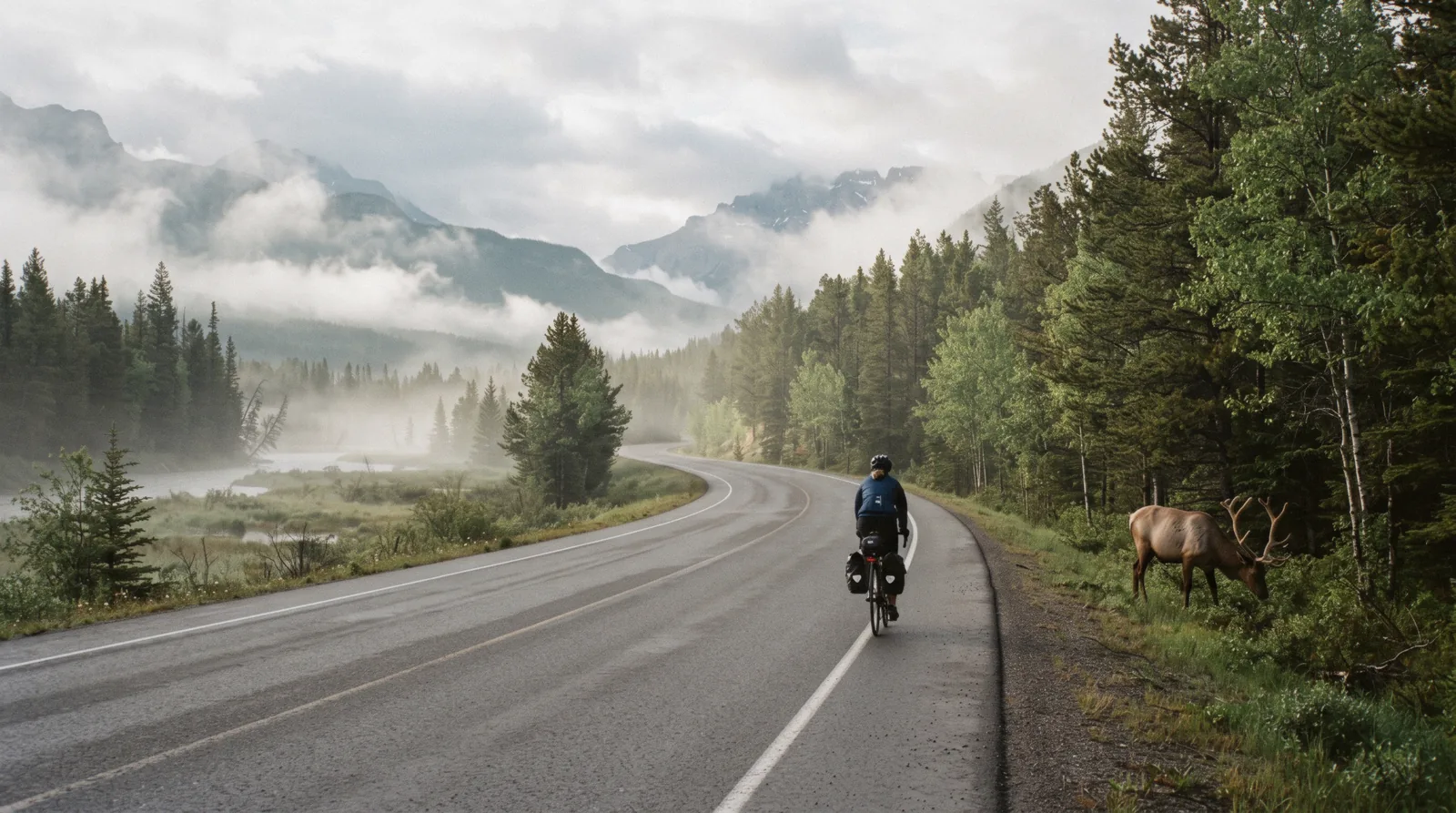
The Bow Valley Parkway: The Old Road West
The Bow Valley Parkway is Highway 1A, the slow two-lane alternative to the Trans-Canada between Banff and Lake Louise. It runs past Johnston Canyon, quiet river flats and some of the best wildlife country in the park. The whole valley, start to finish: the Banff homepage.
Quick answer What the Bow Valley Parkway is and how to use it
The Bow Valley Parkway is the scenic old Highway 1A between Banff and Lake Louise, about 57 km end to end. The faster Trans-Canada Highway takes roughly 40 minutes between the two towns. The parkway trades speed for river views, forest and stops such as Johnston Canyon, 25 km northwest of Banff. Expect a seasonal dawn closure on parts of the road for wildlife, which has been in place in recent years and changes by season. Check current rules with Parks Canada before an early drive.
Key takeaways
- Drive the parkway one way and return on Highway 1, or the reverse, so you cover both roads.
- No tour is needed to enjoy the road, but if you prefer someone else to drive, the Johnston Canyon day trip and the e-bike and walking tour in Johnston Canyon both use this corridor.
- Carry bear spray year round and know the distances: 30 metres from elk and deer, 100 metres from bears, wolves, cougars and coyotes. Our wildlife overview covers the details on wildlife in Banff.
- A park pass is required. See what a pass costs on banff park pass.
Parkway Costs and Booking Options
The Bow Valley Parkway has no gate and no toll. What you pay for is the national park entry pass that every vehicle in Banff National Park needs, plus any tour you choose to add. The table compares the official Parks Canada pass page with bookable tours that run in this corridor. Pass figures come from the official Parks Canada fees page. Tour prices are the tour listings' own, in US dollars.
Do you want to drive the road yourself with a day pass, or hand the driving to a guided tour?
| Option | What it covers | Price | Booked through | Book |
|---|---|---|---|---|
| Parks Canada daily admissionAnyone driving the parkway in their own or a rental car | Park entry for Banff and seven other parks, valid until 4:00 pm the day after purchase | $8.69 (C$12.25) adult, $7.63 (C$10.75) senior, $17.39 (C$24.50) family or group, youth free | Parks Canada gates, visitor centres or online | Official site |
| Banff National Park and Johnston Canyon Day TripTravellers without a car who want the canyon plus context on the road | Coach out to the canyon catwalks with park highlights along the way, guided | $64.78 | Tour listing | Check Availability |
| E-Bike and Walking Tour in Johnston CanyonActive travellers who want the road at bike speed without a rental car | Ride the Bow Valley Parkway by e-bike, then walk the canyon catwalks | Listed at checkout | Tour listing | Check Availability |
| Lake Louise and Johnston Canyon Half-Day TourShort stays that want both headline stops in half a day | The canyon catwalks and the Lake Louise shore in one short day | Listed at checkout | Tour listing | Check Availability |
The gondola, the lake cruise and the Columbia Icefield print no static prices on their official pages. Their booking flows price live. Tour prices above are the tour listings'. Park pass figures are from the official Parks Canada fees page. Figures current for in Q3 2026.
Tours That Use the Bow Valley Parkway
You do not need a tour to drive Highway 1A. These bookable options suit travellers without a car or anyone who wants a guide on this corridor. Prices are the tour listings' own.
 from $64.78
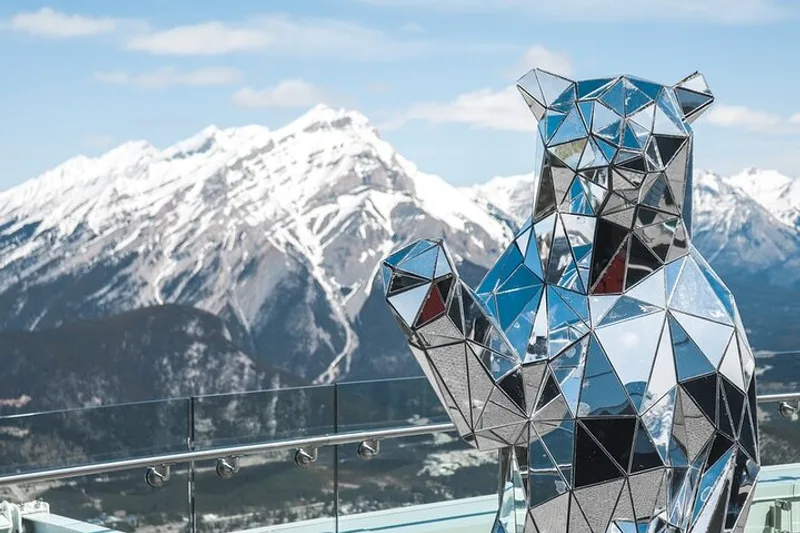
Banff National Park and Johnston Canyon Day Trip
Coach out to the canyon catwalks with park highlights on the way, guided, from Banff or Calgary.
Check Availability
from Listed at checkout
E-Bike and Walking Tour in Johnston Canyon
Ride the Bow Valley Parkway by e-bike, then walk the canyon catwalks — the active way in without a car.
Check Availability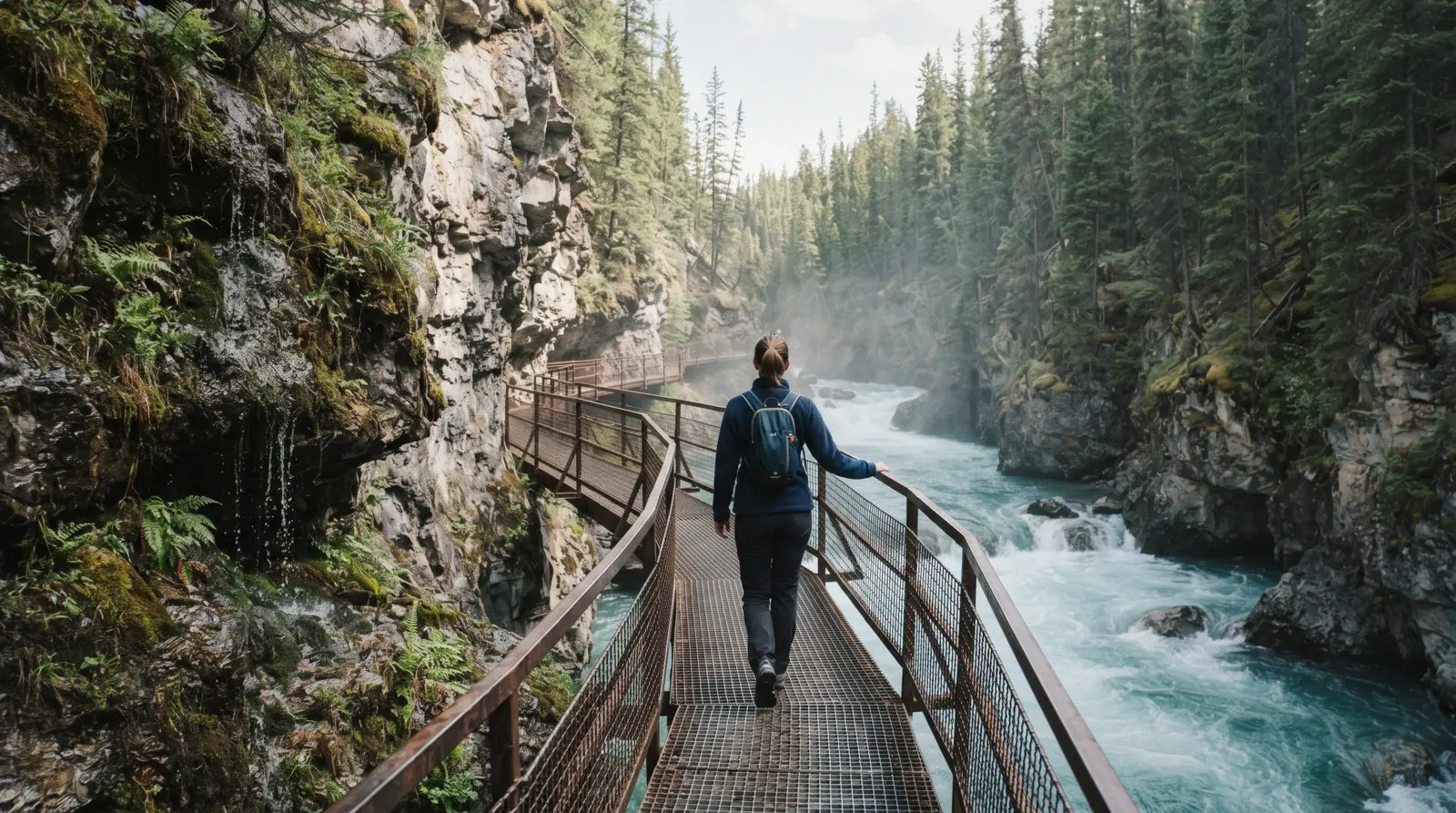 from Listed at checkout
Lake Louise and Johnston Canyon Half-Day Tour
A half-day pairing of the canyon catwalks and the lake shore for short trips and jetlagged first mornings.
Check Availability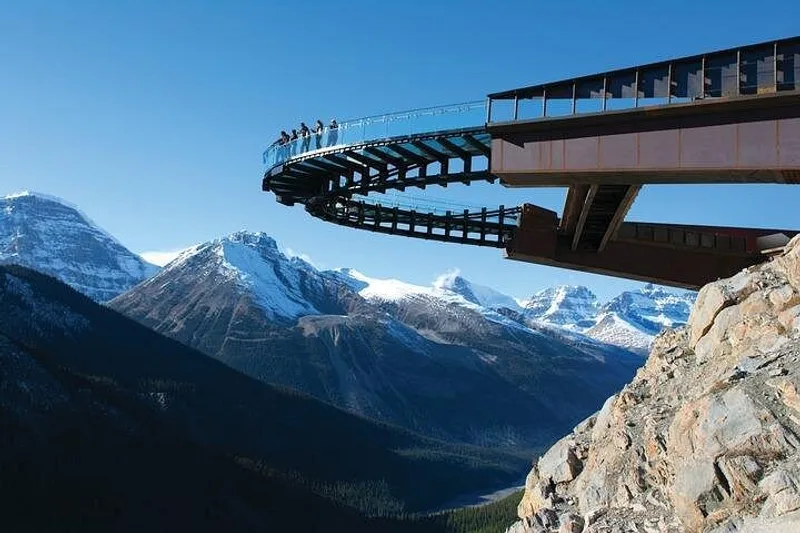 from $96.31
Columbia Icefield Tour with Glacier Skywalk
The full Parkway day: Ice Explorer onto the Athabasca Glacier plus the Skywalk, guided from the Icefield Centre.
Check Availability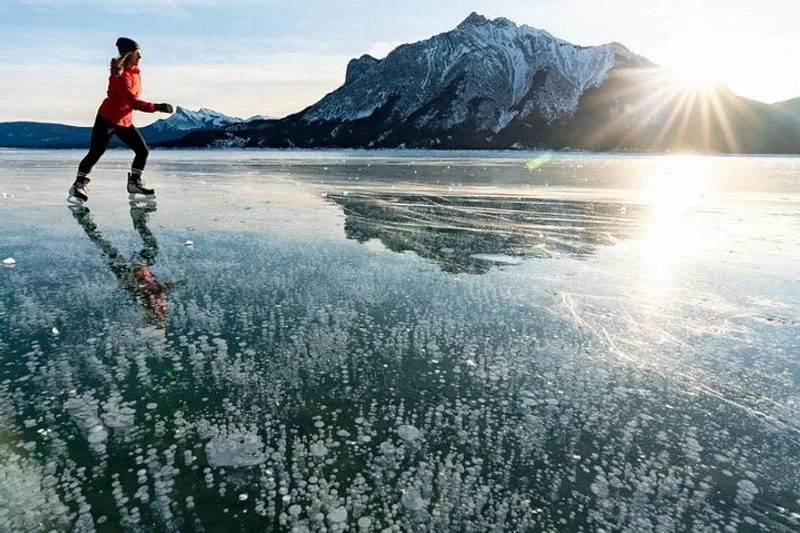 from $211.09
Icefields Parkway and Abraham Lake Ice Bubbles
A small-group Parkway day that adds the frozen methane bubbles of Abraham Lake in winter.
Check AvailabilityPrices, ratings and details are the platform's own. dollar figures are the listed prices — the platform bills in your account's currency.
The Old Road: Highway 1A Between Banff and Lake Louise
Before the four-lane Trans-Canada carried nearly everyone, this two-lane road beside the Bow River was the way west. It still does the same job for drivers with time to spare.
What the Road Is
The Bow Valley Parkway is the local name for Highway 1A, the original scenic route linking the town of Banff with Lake Louise. Parks Canada describes the Johnston Canyon trailhead on it as 25 km northwest of Banff and 33 km southeast of Lake Louise. The full Banff to Lake Louise distance along the valley is 57 km, which takes roughly 40 minutes on the faster parallel highway.
On the parkway, our estimate is a relaxed half day if you stop twice, because the road is narrow, curving and built for sightseeing rather than speed.
How to Drive It
Most drivers leave Banff on the parkway, stop at Johnston Canyon, rejoin Highway 1 near Castle Junction and arrive at Lake Louise from the south. Doing the loop means you see both roads. The Trans-Canada is faster but the parkway is the one with the river beside it for much of the way.
There are fuel stops at Lake Louise village. Fuel along the parkway itself: not stated on any official page we checked, so fill up in Banff before you start.
Where It Sits in Your Trip
The parkway is the natural connective tissue for a Banff to Lake Louise day. Pair it with the lake itself, using our Lake Louise page for the shuttle and parking rules, and remember that Moraine Lake Road is closed to personal vehicles year round, which our Moraine Lake page explains. If you are building a bigger plan, the day trips from Banff hub lists the whole region, and the Banff map shows where every stop sits.
Distances and trailhead locations from Parks Canada.
The Wildlife Commute and the Dawn Rule
The Bow Valley Parkway is one of the park's best wildlife corridors. Elk, deer, black bears, grizzlies, wolves and coyotes all use the valley floor the same way drivers do.
The Seasonal Dawn Closure
A seasonal dawn-to-morning closure for vehicles has been in place on parts of the parkway in recent years. It exists to protect wildlife moving through the corridor at first light, which is exactly when animal sightings are best. The rule has changed by season and by section of road.
Parks Canada publishes the current hours on its Banff parkway notices. Check before you plan a sunrise drive, because the closure period shifts and enforcement is real. Cyclists are treated differently from cars under the rule in recent seasons, so confirm the current terms on the official page before an early ride.
The Distances That Actually Matter
Parks Canada recommends keeping 30 metres, three bus lengths, from elk. The town of Banff wildlife page sets the same 30 metre rule for elk and deer and 100 metres for bears, wolves, cougars and coyotes. Feeding, enticing or disturbing any wildlife in a national park is illegal, and wildlife offenders can face fines up to $17.74 (C$25),000 with a mandatory court appearance.
If you stop for an animal at the roadside, the official advice is simple. Slow down, stay in your vehicle, take a photo and move on. Never take a selfie with wildlife.
Seasonal Behaviour Worth Knowing
Elk rut runs from late August to mid October, when bull elk can become aggressive. Calving season runs mid May to early July, when female elk defend their young and will strike if threatened. The official elk advice if one confronts you is to act dominant and never play dead.
Dogs must be on a leash and under physical control at all times. Carry bear spray year round, on your hip rather than in your pack, and on a bike in the water bottle rack. A 225 ml can with 0.75 to 1 percent capsaicin is the recommended spec.
Report bear, cougar, wolf or coyote sightings to Banff Dispatch at 403-762-1470. Our longer guide to wildlife in Banff covers all of this in depth, and the Banff Highlights and Wildlife Small-Group Tour is a guided option if you want a naturalist reading the meadows for you.
Wildlife rules and distances from Parks Canada and the Town of Banff.
The Stops: Johnston Canyon, Moose Meadows, Castle Junction
The parkway earns its keep through what lies along it. These are the stops that break the drive, with official distances for each trail.
Johnston Canyon
The headline stop. The Johnston Canyon Day-use Area sits 25 km northwest of Banff on the parkway, and the trail climbs steel catwalks above a limestone gorge to two waterfalls. The Lower Falls are 1.1 km one way with 85 m of elevation gain, listed at about one hour.
The Upper Falls are 2.4 km one way with 215 m of gain, about two hours. Carry on 3.2 km beyond the Upper Falls in summer and the Ink Pots, a set of mineral springs in open meadow, sit 5.5 km one way on the Ink Pots Trail. Parking fills quickly, so arrive early or take Roam Transit Route 9 in summer at $3.55 (C$5) a single adult ride.
Our full Johnston Canyon page has the trail detail, and banff walks lists gentler alternatives. Note the old 2.7 km figure for the Upper Falls that still circulates on blogs is not what current Parks Canada pages print.
Johnston Canyon in Winter
The canyon stays open all winter and becomes a different walk. The official winter trail list gives Lower Falls at 1.2 km one way and Upper Falls at 2.5 km one way, self-guided and listed as an easy winter trail. The trail is usually very icy and ice cleats are strongly recommended.
The payoff is the 30 m high frozen Upper Falls. If you want a guide, crampons and headlamps, the Johnston Canyon Icewalk runs a four-hour guided version of the frozen canyon.
Moose Meadows
Moose Meadows is a wetland pull-off on the parkway west of Johnston Canyon, named for the animal people hope to see there. Moose are present in the park but sightings are never guaranteed and the official pages publish no sighting statistics. Treat it as a short stop with boardwalk and meadow views, and scan the wet margins in early morning.
Distances from the nearest trailhead: not stated on official pages, so allow only a few minutes by car either way, by our estimate.
Castle Junction
Castle Junction is where the Bow Valley Parkway meets Highway 1 south of Castle Mountain, roughly the midpoint of the drive. It is the natural re-entry point to the fast road after your canyon stop, and the junction for the turn toward the Banff Upper Hot Springs side trips is elsewhere, so do not confuse the two. There are visitor services at the junction itself, though hours and offerings: not stated on official pages.
From here the parkway continues northwest to Lake Louise or you can shoot up the highway in about 20 minutes, by our estimate.
Trail distances and the trailhead location from Parks Canada hiking pages and the winter walking list.
Cycling the Parkway
The Bow Valley Parkway is one of the finest road rides in the Rockies. Low traffic, a steady grade and a river for company make it a favourite, with one rule to check first.
Why Ride It
The parkway's whole design suits bicycles. Two lanes, forest shade, and stops spaced so that a ride and a hike combine naturally. Many riders pedal Banff to Johnston Canyon, walk to the Lower Falls and ride back, which by our estimate is a solid half-day outing for a reasonably fit cyclist.
The canyon trailhead at 25 km from Banff is the natural turnaround for a there-and-back route.
Bikes and the Dawn Closure
In recent seasons the wildlife closure on parts of the parkway has applied differently to cyclists than to cars, with early-morning cycling sometimes allowed where vehicle traffic is not. This has varied by year. Confirm the current rules on the Parks Canada parkway page before planning a dawn ride, because getting it wrong risks both a fine and a bad encounter with a bear on a narrow shoulder.
Gear and Guided Options
Carry bear spray year round, even on a bike. The official bear-safety guidance for cyclists is blunt: place the can in the bike's water bottle rack so it is reachable, not in a pack. Bike rentals in Banff run $40.89 to $51.92 ($59 to $79 CAD) for a half or full day per bike at the rental shop listed on the Banff Adventures page at 211 Bear Street, helmet and lock included.
If you would rather join a group, the e-bike and walking tour in Johnston Canyon pairs a parkway ride with the canyon catwalks.
Bear spray guidance from Parks Canada. Rental figures from the operator's own rental page.
Bow Valley Parkway Map
The corridor and the stops around it, from Banff in the east to the Lake Louise area and over the divide into Yoho.
Nearby Along the Corridor
Three places that pair naturally with a parkway drive, with distances as officially stated.
Johnston Canyon
The canyon catwalks are the single most popular stop on the road. Lower Falls in an hour, Upper Falls in two, frozen and icelit in winter.
25 km northwest of Banff Check AvailabilityLake Louise
The end point of the drive. Lakeshore parking is paid and fills before sunrise in shuttle season, so read the shuttle rules first.
57 km from Banff, about 40 minutes by highway Check AvailabilityYoho National Park
Emerald Lake, Natural Bridge and Takakkaw Falls sit just over the continental divide, an easy add-on to any parkway day.
west of Lake Louise Check AvailabilityBow Valley Parkway Questions
Is the Bow Valley Parkway worth driving instead of Highway 1?
If you have half a day and want stops, yes. The Trans-Canada is faster, about 40 minutes for the 57 km between Banff and Lake Louise, but the parkway is the road with the river, the forest and Johnston Canyon on it. Many drivers use the parkway one way and the highway the other.
Is there a fee to drive the Bow Valley Parkway?
No gate or toll applies to the road itself. You do need a Parks Canada pass for the park, which costs $8.69 (C$12.25) per adult day, $7.63 (C$10.75) senior or $17.39 (C$24.50) per family or group, with youth free. The pass is valid until 4:00 pm the day after purchase.
What is the dawn closure on the Bow Valley Parkway?
A seasonal early-morning closure for vehicles on parts of the parkway, introduced to protect wildlife moving through the corridor at dawn. It has been in place in recent years with hours and sections that change by season. Check the current rules on the Parks Canada Banff page before planning a sunrise drive.
How long is the Bow Valley Parkway from Banff to Lake Louise?
The Banff to Lake Louise leg along the valley is 57 km. Parks Canada places the Johnston Canyon trailhead 25 km northwest of Banff and 33 km southeast of Lake Louise along the parkway, which gives you the shape of the drive. Driving time depends entirely on your stops, so plan a half day with one or two.
Can you see wildlife on the Bow Valley Parkway?
The corridor is genuine wildlife habitat and elk, deer, bears and wolves all use it. Sightings are never guaranteed. If you do stop for an animal, stay in your vehicle, keep 30 metres from elk and deer and 100 metres from bears, wolves, cougars and coyotes, take your photo and move on.
Can you cycle the Bow Valley Parkway?
Yes, and it is one of the best road rides in the park. Rules for cyclists during the seasonal dawn closure have differed from the vehicle rules in recent seasons and have changed over time, so confirm the current terms before an early ride. Carry bear spray in the bike's water bottle rack, not in a pack.
Where does the Bow Valley Parkway start and end?
It runs between the town of Banff in the east and the Lake Louise area in the west, as the old two-lane alternative to the Trans-Canada Highway. Castle Junction, where it crosses Highway 1 south of Castle Mountain, sits near the midpoint and is the easiest re-entry point to the fast road.
We may earn a commission if you book through one of our links, at no extra cost to you. Full affiliate disclosure