 Banff City Guide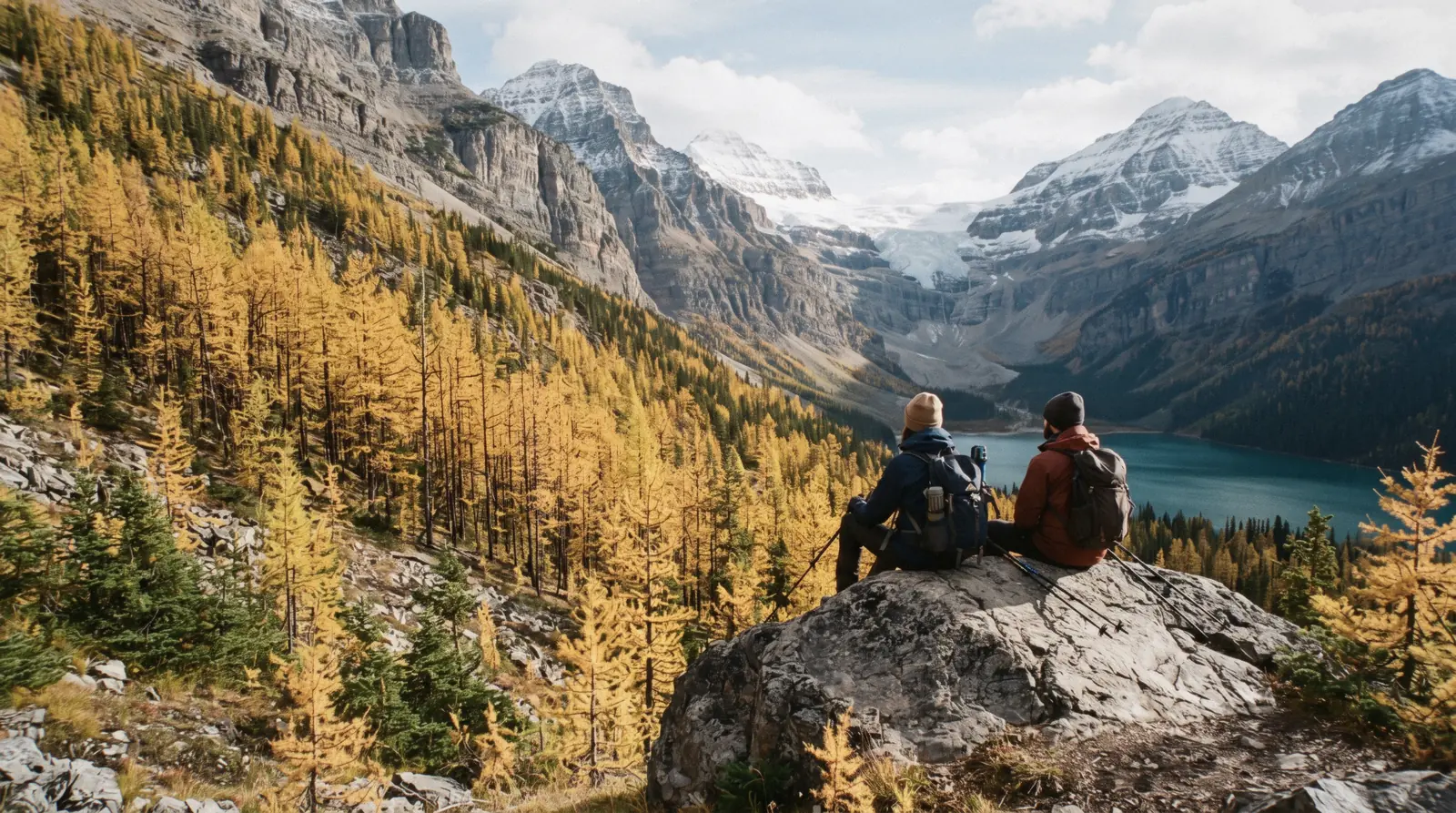
The Best Time to Visit Banff, Month by Month
There is no single best time to visit Banff, only a set of trade-offs between warmth, snow, crowds and what is open. This page lays out the year month by month so you can pick the window that matches the trip you want, and pairs it with our Banff trip planner resources. The whole valley, start to finish: the Banff homepage.
Quick answer The short answer on when to go
The best time to visit Banff for most travellers is late June through early September. July is the warmest month, with an average high of about 21.5°C, and every summer attraction runs at full schedule. The trade-off is crowds and price, plus June is the wettest month with about 111 mm of precipitation. If you want lower prices and thinner trails, September after the long weekend is our pick. If you want snow, January is the coldest and quietest stretch, with average highs of about −6°C and lows of about −14°C, and the ski resorts are in full swing.
Key takeaways
- For warm lake days and every boat and gondola running, aim for July or early August, and book the Lake Minnewanka Cruise ahead because the season ends in mid October.
- For the same scenery with fewer people, target the second half of September, when larch season peaks and the Banff Gondola Ride Admission calendar thins out.
- For skiing and frozen canyons, winter is excellent value on lodging, and a guided Johnston Canyon Icewalk is the signature cold-season outing.
- Whatever the season, budget for the park pass first. Our park pass explainer covers the day pass and annual Discovery Pass, and the winter in Banff guide has the full cold-season rundown.
Banff By Month At A Glance
The chart below sums up the whole year in one view, using thirty years of climate data for the Banff townsite. The figures come from the ERA5 reanalysis archive for 1995 to 2024, computed for the townsite coordinates at 1,383 metres. Read each month as an average, not a promise, because mountain weather swings hard around the mean.
What The Averages Mean
Banff sits high enough that even summer nights are cool. The average July low is about 9.4°C, which is why locals wear fleece to dinner in August. Winter is dry and bright rather than grey.
January, the coldest month, averages a high near −6°C and a low near −14°C, but with only about 23 mm of precipitation for the whole month, so you get snow under blue sky more often than slush. Our estimate from these numbers is that any visit from late June to late September gives you comfortable walking weather, and any visit from December to March gives you a real winter.
- Warmest month: July, average high about 21.5°C
- Wettest month: June, about 111 mm of precipitation
- Driest and coldest stretch: December through February, with January averaging about 23 mm of precipitation
- Longest day window: late June, when trails stay usable well into the evening
Month By Month In Celsius And Fahrenheit
The table shows the average daily high and low for every month. The Celsius figures come straight from the climate archive, and the Fahrenheit figures beneath them are our conversion. Two decimal-place averages are rounded to one figure here for readability.
| Month | Avg High | Avg Low |
|---|---|---|
| January | −6.2°C (21°F) | −13.9°C (7°F) |
| February | −3.7°C (26°F) | −13.1°C (9°F) |
| March | 0.9°C (34°F) | −8.9°C (16°F) |
| April | 5.7°C (42°F) | −3.7°C (26°F) |
| May | 11.0°C (52°F) | 1.1°C (34°F) |
| June | 16.3°C (61°F) | 5.0°C (41°F) |
| July | 21.5°C (71°F) | 9.4°C (49°F) |
| August | 21.0°C (70°F) | 9.0°C (48°F) |
| September | 15.4°C (60°F) | 4.3°C (40°F) |
| October | 6.7°C (44°F) | −3.2°C (27°F) |
| November | −1.8°C (29°F) | −10.4°C (13°F) |
| December | −7.7°C (18°F) | −15.0°C (5°F) |
Climate figures computed from the Open-Meteo ERA5 archive for the Banff townsite, 1995 to 2024. Elevation and town facts from the Town of Banff.
Month Comparison: Highs, Lows, Rain And Wet Days
This table compares all twelve months side by side on the four measures travellers care about most, drawn from the same ERA5 archive. Where the archive figures for a measure are not published for a given month, the cell says so rather than guessing, because inventing a rainfall number would be worse than admitting the gap.
The Full Year In Four Columns
Average high and average low are in Celsius. Precipitation is the mean monthly total in millimetres. Wet days count the average number of days per month with more than 1 mm of precipitation.
Only the months where the archive summary prints these figures are filled in. The pattern that matters is simple, June is the wettest month at about 111 mm, January is the driest cold month at about 23 mm, and July carries the most wet days at about 13.
| Month | High / Low | Precipitation | Wet Days |
|---|---|---|---|
| January | −6.2 / −13.9°C | 23.2 mm | 6.1 |
| February | −3.7 / −13.1°C | not stated | not stated |
| March | 0.9 / −8.9°C | not stated | not stated |
| April | 5.7 / −3.7°C | not stated | not stated |
| May | 11.0 / 1.1°C | not stated | not stated |
| June | 16.3 / 5.0°C | 111 mm | not stated |
| July | 21.5 / 9.4°C | 80.3 mm | 13.2 |
| August | 21.0 / 9.0°C | not stated | not stated |
| September | 15.4 / 4.3°C | not stated | not stated |
| October | 6.7 / −3.2°C | not stated | not stated |
| November | −1.8 / −10.4°C | not stated | not stated |
| December | −7.7 / −15.0°C | not stated | not stated |
How To Read The Rain Column
Banff's summer rain mostly arrives as afternoon showers that clear within an hour or two. A June wet month does not mean a washed-out trip. It means pack a shell and plan a flex day.
Winter precipitation falls as snow, and at about 23 mm of water equivalent in January the air stays dry, which is why the cold feels clean and the light stays sharp. These are gridded reanalysis figures rather than a government station record, so treat them as the shape of the year, not a forecast.
- Pack layers in every month, including summer
- June travellers should plan one indoor or flex day
- Winter travellers should plan for icy trails, not deep snowfall
- Shoulder months can swing ten degrees either side of the average
Figures from the Open-Meteo ERA5 archive, 1995 to 2024, for the Banff townsite coordinates. See our planning hub for packing and budgeting advice.
July And August: The Busy Warm Core
This is the season most people picture when they think about the best time to visit Banff. Everything is open, the lakes are thawed and blue, and the evenings are long. It is also when the town is fullest, when hotel prices peak, and when every shuttle and ticket needs booking weeks ahead.
Weather And Crowds
July is the warmest month, with an average high of about 21.5°C and a low near 9.4°C. August runs a shade cooler at about 21.0°C. Afternoon thunderstorms are the main weather risk, and July averages about 13 wet days. The crowd numbers are the real story. The town counts a typical summer day population of around 43,000 people against about 8,000 residents, and above 50,000 on the busiest days.
Parking lots at Lake Louise fill before sunrise. The town's own figures say roughly 75 percent of vehicles seeking upper Lake Louise parking were turned away last summer.
- Warmest days of the year and the longest daylight
- Wettest risk is short afternoon storms, not all-day rain
- Town pay parking costs $12 (C$12) per hour downtown from the start of May to the end of October
- Free 9-hour parking sits at the Train Station lot, on Bow Avenue and on the upper levels of the Bear Street Parkade
What Is Running And What It Costs
Every major attraction operates at full tilt. The Lake Minnewanka cruise season runs into mid October, so summer travellers can book the Lake Minnewanka Cruise freely, and the listing price at our check was $58.09. The gondola runs late into the evening and does not publish fixed prices, because prices vary by time, day and season in its booking flow.
A platform listing for Banff Gondola Ride Admission showed $68.04 at our check. The Upper Hot Springs cost $14.02 (C$19.75) per adult with a locker token included, and stay open daily into the evening. Johnston Canyon is a free trail with only the park pass to pay, and the Lower Falls are 1.1 km one way.
Expect the Johnston Canyon Day Trip tours to run daily through summer.
| Summer staple | Price basis | Booking note |
|---|---|---|
| Lake Minnewanka Cruise | $58.09 on the listing | Season ends mid October, under-5s ride free |
| Banff Gondola | No static price printed | Prices load in the operator's booking flow, advance booking strongly recommended |
| Upper Hot Springs | $14.02 (C$19.75) adult | First come, first served, no reservations |
| Johnston Canyon trail | Free, park pass only | Trailhead lot fills early, Roam Route 9 is the summer alternative |
| Moraine Lake access | $9.05 (C$12.75) shuttle adult plus $2.48 (C$3.50) online fee | Reservation required, personal cars banned year-round |
Our Pick For A First Summer Trip
Our pick for a first visit is the last week of June through the first three weeks of July. The weather is at its warmest, the summer schedule is complete, and you beat the heaviest late-July push. Book lodging and the Moraine Lake shuttle the moment reservations open.
The Parks Canada shuttle reservation system released 40 percent of seats on launch day and the rest two days before departure, so late bookers get scraps. If a coach tour suits you better than self-driving, the Lake Louise and Moraine Lake Day Trip guarantees both lakes without the shuttle lottery. For a small-group version, the Lake Louise and Moraine Lake Small-Group Tour trades price for time at each shore.
Crowd, parking and shuttle figures from the Town of Banff and Parks Canada. Operator hours from Pursuit and Banff Upper Hot Springs.
September: Larch Season And Thinning Crowds
September is our pick for the best month to visit Banff if you want the scenery without the peak-season squeeze. Days stay mild, the valley turns gold as the larches change, and the summer attractions keep running until mid October.
Weather And The Larch Window
September averages a high of about 15.4°C and a low near 4.3°C, which is warm hiking weather in the sun and jacket weather at altitude. The larch turn is the draw. These alpine trees flip from green to gold for a short window in the second half of the month, and the shoulder season crowds are noticeably thinner than August.
Frost is possible at night, and early snow can dust the high trails, so pack layers rather than trusting the average.
- Average high about 15.4°C, average low about 4.3°C
- Larch colour peaks in the latter half of the month
- Elk rut runs from late August to mid October, so keep 30 metres from elk and never get between a bull and the herd
- Daylight shortens fast, so start trail days early
What Is Still Open
Almost everything. The Lake Minnewanka cruise runs until mid October, and fall sailing hours shift to a 10 am to 5 pm window late in the month, so a Lake Minnewanka Cruise works well in September. The gondola runs daily 9 am to 9 pm until mid October with the last ride up at 7:30 pm, and a Banff Gondola Ride Admission booked for the evening gives you dusk over the valley.
Johnston Canyon stays walkable and quieter than summer, and Roam Route 9 serves the trailhead in summer service. The Moraine Lake shuttle season also runs until mid October, so the golden larch views at the Rockpile remain reachable by reservation.
| Attraction | September status | Note |
|---|---|---|
| Lake Minnewanka Cruise | Running until mid October | Hours narrow late in the month |
| Banff Gondola | Daily 9 am to 9 pm until mid October | Prices load in the booking flow |
| Moraine Lake shuttle | Running until mid October | Reservation required, cars banned |
| Johnston Canyon | Open, self-guided | Quietest of the big trails this month |
| Upper Hot Springs | Open daily 10 am to 10 pm | $14.02 (C$19.75) adult, no reservations |
Why We Rate It Highest
Our estimate is that the second half of September delivers about eighty percent of the summer experience at well under half the crowd pressure. Lodging rates fall after the long weekend. Trails empty out.
The wildlife gets more visible because the rut brings elk into the valley meadows, and the light gets lower and warmer for photography. The compromise is weather risk. A cold snap can push trail mornings near freezing, and the gondola closes for a short annual maintenance period in November, so September is comfortably clear of that gap.
Season dates and hours from Pursuit and Parks Canada. Elk rut guidance from the Town of Banff.
Winter: Cold, Bright, And The Ski Calendar
Winter is the best time to visit Banff for skiers, ice walkers and anyone who likes a mountain town without the queues. It is genuinely cold, with January averaging about −6°C for a high and −14°C overnight, but the air is dry and the sun frequent.
The Cold Reality
January is the coldest month at about −6.2°C for an average high and −13.9°C overnight, and December is close behind at about −7.7°C and −15.0°C. Daytime temperatures often sit in the minus teens during a cold snap. The counterweight is precipitation. January averages only about 23 mm of water equivalent, so snowfall comes in modest, dry doses rather than endless grey storms.
Dress in layers, cover exposed skin, and plan a warm indoor anchor each day such as the hot springs or the Whyte Museum area attractions.
- Coldest stretch: mid December through early February
- Avalanche season runs from November to June, so stay on official winter trails
- Icy trails are the norm, and ice cleats are strongly recommended at Johnston Canyon
- Downtown pay parking drops to $7 (C$7) per hour from the start of November to the end of April
The Ski Calendar
Three ski hills sit on Banff's doorstep. Lake Louise Ski Resort has printed an opening day of early November, with adult full-day lift tickets ranging $160 to $185 (C$160 to $131.30 (C$185)) plus GST, and prices that rise as more lifts open. Mount Norquay lists its winter season tentatively from the start of November to mid April, with day tickets still marked as to be confirmed at our check, and night skiing on select Friday and Saturday evenings until mid March.
Sunshine Village has not printed its season dates at our check, and its foot-passenger sightseeing tickets start at $35.50 (C$50) plus GST at the ticket window. For the non-skiing signature outing, the Johnston Canyon Icewalk guides you up the frozen canyon with cleats and headlamps, and the frozen Upper Falls drop about 30 metres.
| Resort | Season basis | Price basis |
|---|---|---|
| Lake Louise Ski Resort | Opening day printed for early November | Adult day tickets $160 to $185 (C$160 to $131.30 (C$185)) plus GST |
| Mount Norquay | Tentative early November to mid April | Day tickets not yet published |
| Sunshine Village | No 2026/27 dates printed | Foot passenger from $35.50 (C$50) plus GST, ski prices not static |
Winter Days Out And Getting There
Winter visitors still have plenty beyond the lifts. Lake Louise's lakeshore stays open year-round, though the teahouse trails are not safe from November through mid May due to avalanche hazard, and Moraine Lake is inaccessible in winter with its road track-set for skiing. Lake Minnewanka is a base for cross-country skiing and snowshoeing, with the 1.5 km Stewart Canyon winter trail.
The Icefields Parkway and Abraham Lake Ice Bubbles tour runs the frozen parkway in winter, and the town's year-round Roam 8X express to Lake Louise costs $8.87 (C$12.50) per adult. The Upper Hot Springs stay open daily 10 am to 10 pm all winter, including Christmas Day, which makes a −15°C evening soak a real option. Lodging costs drop well below summer rates, which is part of why our estimate puts winter as the best-value season for a long stay.
Ski prices and dates from Lake Louise Ski Resort, Mount Norquay and Sunshine Village. Winter trail and avalanche facts from Parks Canada. Roam fares from Roam Transit.
Shoulder Months And What Closes
April, May, late October and November are the honest months in Banff. Prices and crowds are low, but the calendar of openings and closures matters more than the weather forecast. Here is what shuts, what stays on, and who should still come.
Spring: April And May
Spring arrives late at 1,383 metres. April averages a high of about 5.7°C and May about 11.0°C, with the valley trails drying out long before the alpine ones. The ski season often stretches into spring, which makes early May a ski-and-hike combo month at lower elevation.
The catch is water. Avalanche season runs to the end of June on high routes, the Moraine Lake shuttle does not start until the start of June, and the Lake Louise lakeshore shuttle starts mid May. Cave and Basin runs its off-season schedule of Thursday to Monday, 11 am to 5 pm until mid May, with admission at $7.10 (C$10) for adults.
The Banff Park Museum, at $3.55 (C$5) adult, runs Thursday to Monday in its season from mid May.
| Opening | Timing | Note |
|---|---|---|
| Lake Louise lakeshore shuttle | Mid May | Runs to mid October |
| Moraine Lake shuttle | Start of June | Reservation required |
| Lake Minnewanka Cruise | Early May | Weather dependent |
| Columbia Icefield Adventure | Early May | Weather dependent |
| Banff Park Museum | Mid May | Thursday to Monday, 9:30 am to 5 pm |
Late Fall: October And November
October averages a high of about 6.7°C and November slips below freezing at about −1.8°C. This is the narrowest window for attractions. The cruise season, the Moraine Lake shuttle and the Columbia Icefield all end around mid October, and Norquay's sightseeing chairlift season ends around the same time. The gondola closes entirely for a short annual maintenance period in November, though it stays open year-round otherwise.
November is the quietest month of the year in town, and the Christmas season builds from mid November, with the Santa Claus Celebration of Lights on Banff Avenue as the annual mid-month marker. Travellers who want empty trails, cheap rooms and frosty mornings will love it. Travellers who want boat rides and lake shuttles should not come in November.
- Mid October: cruise, lake shuttles, Icefield and Norquay chairlift seasons end
- November: gondola maintenance closure, quietest crowds of the year
- Mid November: Christmas season and the Celebration of Lights begin
- End of November: ski season opens at all three resorts
Who The Shoulder Suits
Our pick is that the shoulder months suit three kinds of traveller. Budget travellers get the lowest lodging rates of the year. Repeat visitors who have already done the headline lakes get empty trails and honest mountain weather.
And photographers get the transition seasons, from spring melt at the falls to late October's first snow on the peaks. If your trip depends on a full attraction menu, avoid the gap between mid October and the start of the ski season. If it depends on quiet and price, that same gap is exactly why you should come.
Season dates from Parks Canada, Cave and Basin, Banff Park Museum and Pursuit. Event pattern from Banff and Lake Louise Tourism.
Season-Proof Tours Worth Booking
These listings cover the main seasons, from summer lake days to winter ice walks, so you can match a booking to the month you pick.
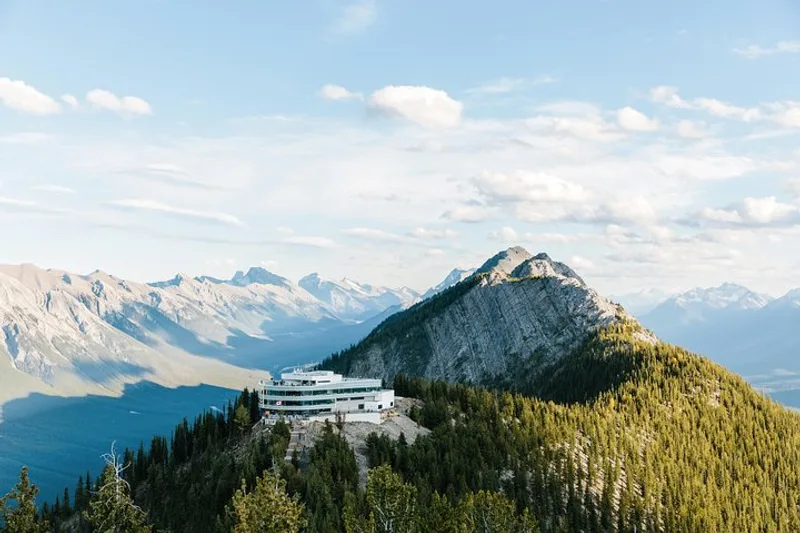 from $68.04
Banff Gondola Ride Admission
The ride up Sulphur Mountain to the ridge boardwalk, booked as a timed ticket; summit boardwalk and cosmic ray station included.
Check Availability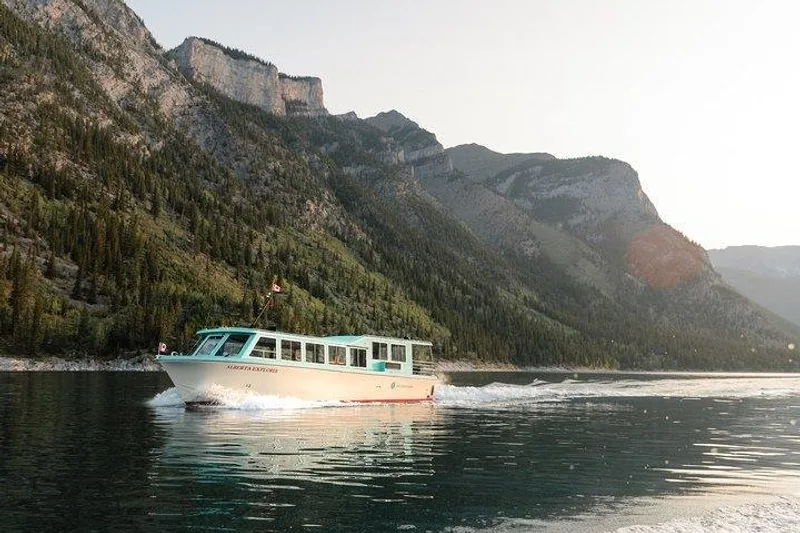 from $58.09
Lake Minnewanka Cruise
The only boat tour allowed on Banff's biggest lake, an hour out among the glacier-carved shores of Lake Minnewanka.
Check Availability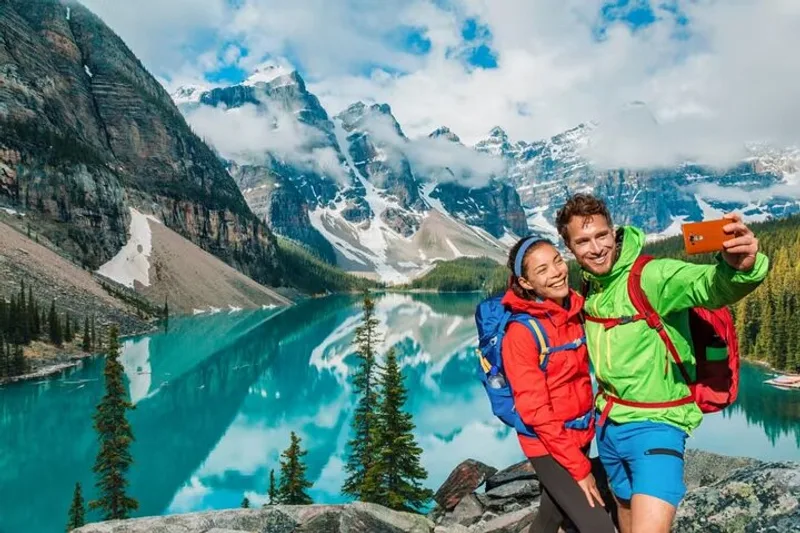 from $57.50
Lake Louise and Moraine Lake Day Trip from Banff
The workhorse lake day: both headline lakes in one coach trip with guaranteed Moraine Lake access, no shuttle lottery.
Check Availability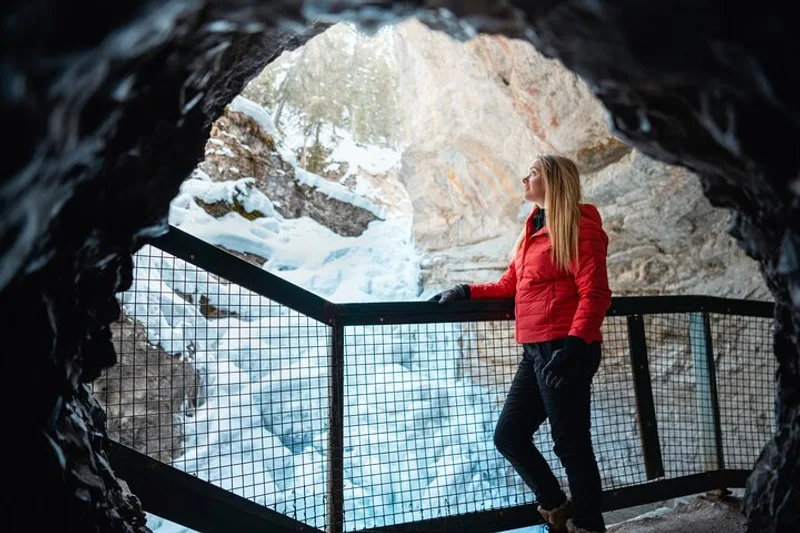 from $79.45
Johnston Canyon Icewalk
The frozen canyon after dark or dawn: ice cleats, headlamps and a guide to the frozen Upper Falls.
Check Availability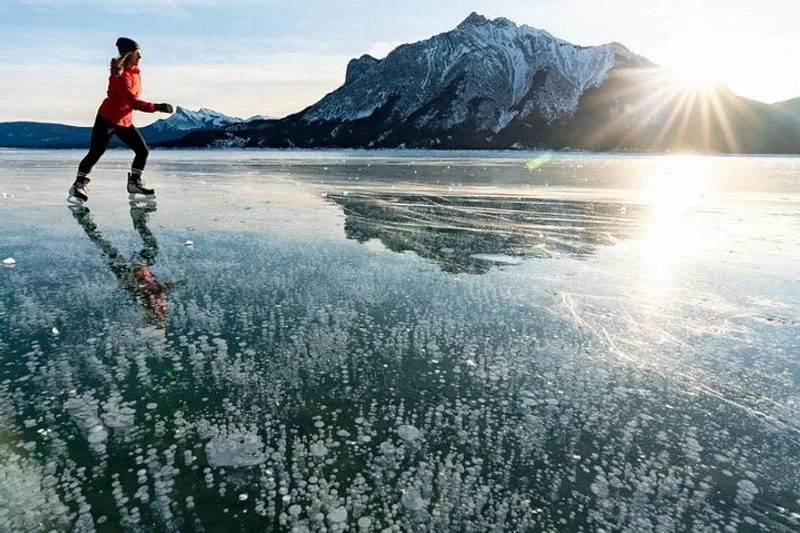 from $211.09
Icefields Parkway and Abraham Lake Ice Bubbles
A small-group Parkway day that adds the frozen methane bubbles of Abraham Lake in winter.
Check Availability from $101.18
Banff Highlights and Wildlife Small-Group Tour
A half-day loop of the valley's best animal country — Minnewanka, Two Jack, the Springs — with a guide who reads the meadows.
Check AvailabilityPrices, ratings and details are the platform's own. dollar figures are the listed prices — the platform bills in your account's currency.
Best Time To Visit Banff: FAQ
What is the warmest month in Banff?
July, with an average high of about 21.5°C and an average low near 9.4°C. August is a close second at about 21.0°C. Even in the warmest month, evenings are cool enough for a jacket.
What is the rainiest month in Banff?
June, with about 111 mm of precipitation on average. Most of it falls as short afternoon showers rather than all-day rain, so a June trip mainly needs a waterproof shell and one flexible day in the plan.
How cold does Banff get in winter?
January averages a high of about −6°C and a low of about −14°C, and December is slightly colder on average. The air is dry, with only about 23 mm of precipitation in January, so cold snaps come with clear skies more often than storms.
When is Banff least crowded?
November is the quietest stretch of the year, followed by late September after the summer season winds down. The town's own visitor figures put typical summer days around 43,000 people in the townsite, so any month outside June to August feels noticeably calmer.
When is the best time to see the larches turn gold?
The second half of September is the reliable window. Larches are deciduous conifers that flip from green to gold for a short period before the needles drop, and the high trails and Moraine Lake views are at their best then.
Is Banff worth visiting in winter if I do not ski?
Yes, as long as you plan for the cold. The Johnston Canyon icewalk, the Upper Hot Springs, frozen lake walks at Lake Louise and winter wildlife viewing all run without skis. Our winter in Banff guide covers the full non-skiing agenda.
Which attractions close in the shoulder season?
The Lake Minnewanka cruise, the Moraine Lake shuttle, the Columbia Icefield tours and the Norquay sightseeing chairlift all end around mid October. The Banff Gondola closes for a short maintenance period each November but is open year-round otherwise. The Upper Hot Springs stay open daily all year.
How far ahead should I book a summer trip to Banff?
Earlier than feels comfortable. The Moraine Lake shuttle reservation system releases most seats only two days before departure but launch-day demand is heavy, Lake Louise parking turns away most drivers who arrive late, and gondola tickets often sell out at peak times. Lodging in July and August should be booked months ahead.
We may earn a commission if you book through one of our links, at no extra cost to you. Full affiliate disclosure